
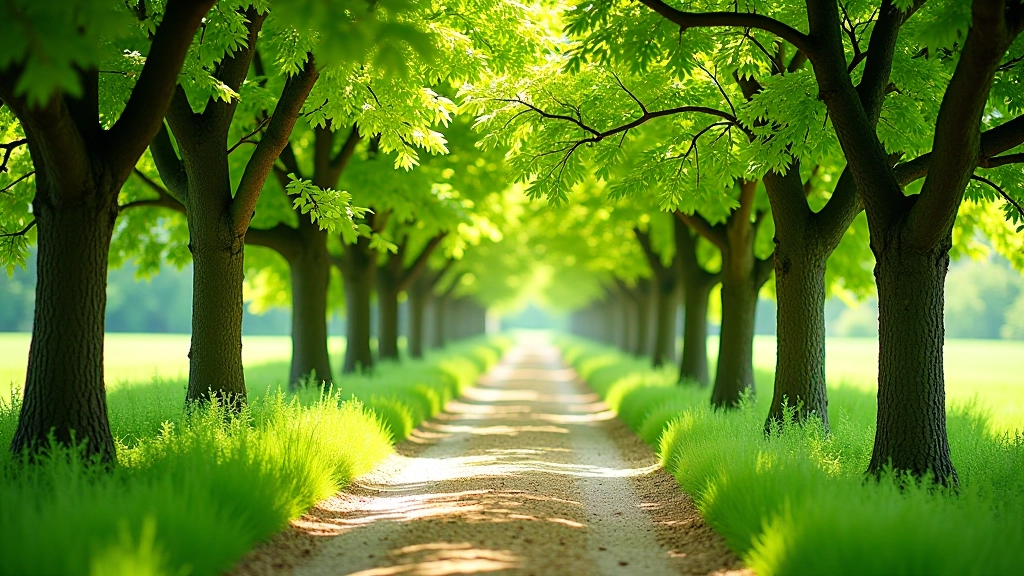
Orchard Lane Strolls Through Dole Island
Gentle walks beneath historic apple and pear trees. The shaded routes offer cool escapes from summer heat with wildflowers and blooms throughout spring.
Three easy meadow paths where wildflowers bloom from April through June. Flat terrain, perfect for leisurely strolls with plenty of shaded rest spots.
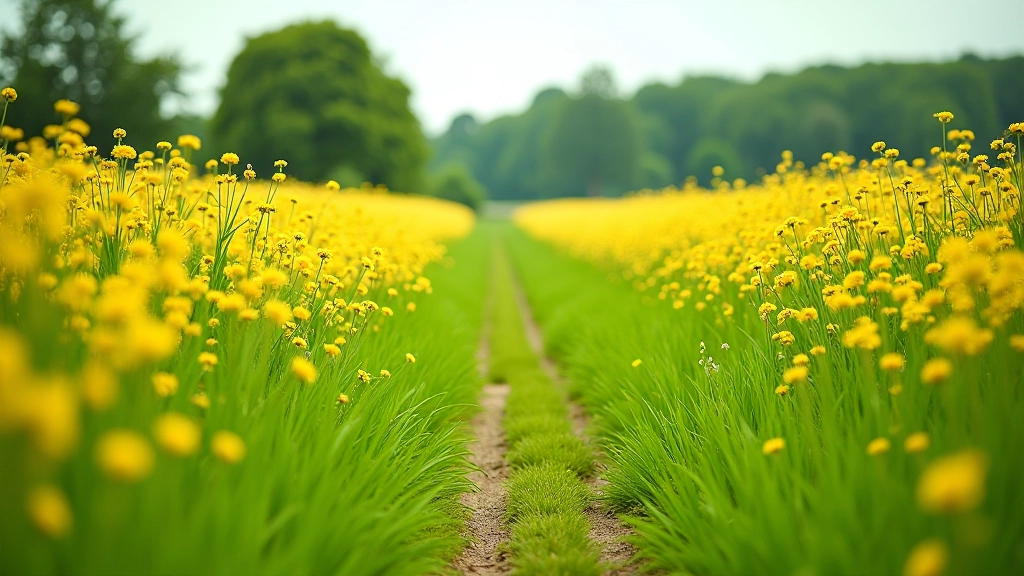
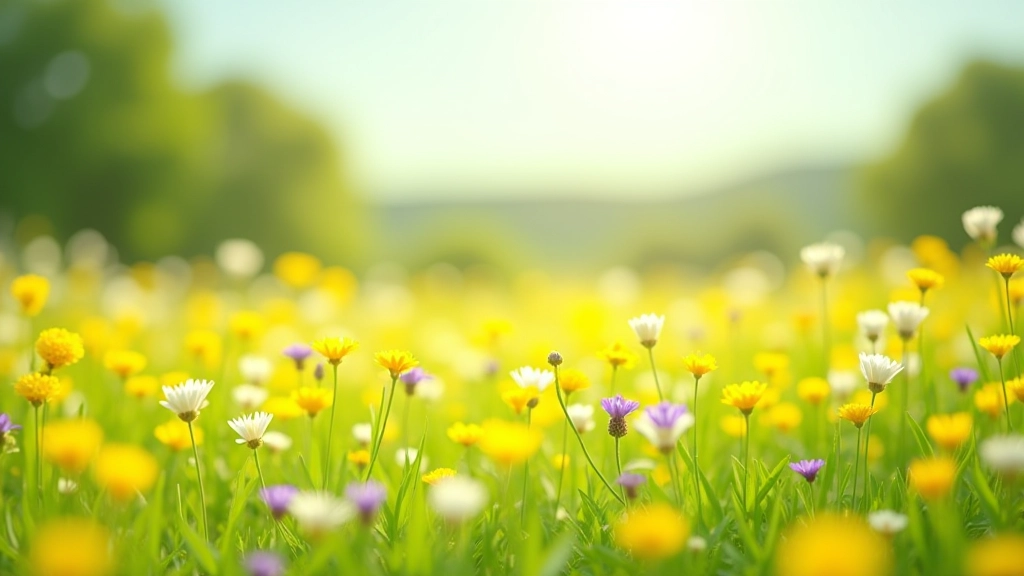
Spring's the best time to explore meadows along the river valleys. You'll find color everywhere — yellows, purples, whites — and the weather's perfect for walking without overheating. These three routes I've tested offer something special: they're genuinely flat, they've got benches where you actually want to sit, and you're not battling crowds like you would at the tourist spots.
The routes span 2 to 4 kilometers depending on which one you choose. That means you're not racing against time. You can stop, look at flowers, listen to birds, chat with whoever you're walking with. This isn't about fitness — it's about spending time outside and noticing what's blooming.
This one's my favorite honestly. The 2.5-kilometer loop starts near the river access point and winds through open meadowland. From mid-April through May, you'll see wood anemones and early violets. By June, the buttercups take over completely — the whole field turns golden.
The path itself is well-maintained gravel, no obstacles. There's a small wooden shelter roughly halfway through if weather turns. We've got three proper benches along the route too, positioned where you get decent views of the meadow without feeling like you're sitting in the middle of nowhere.
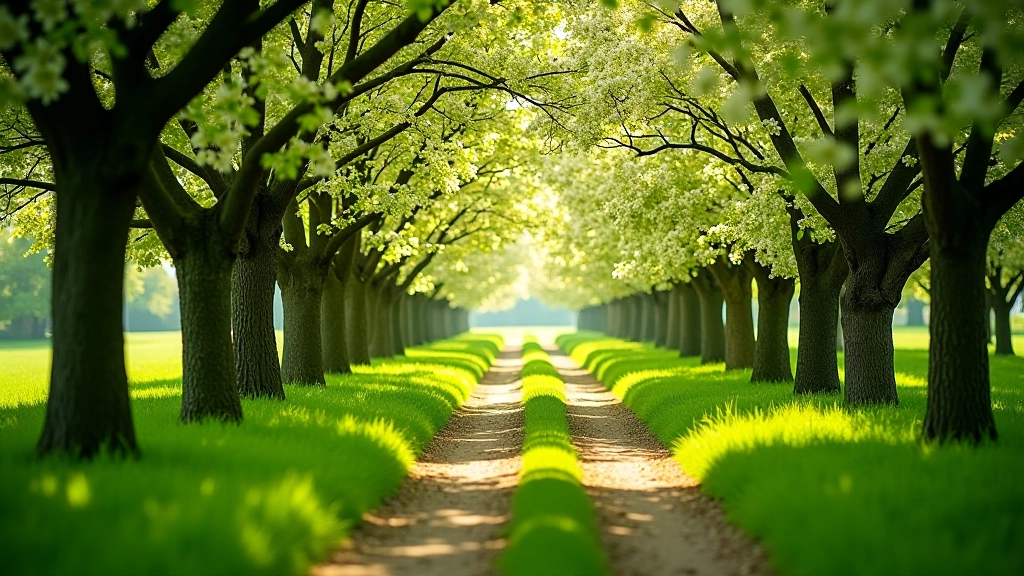
This route's different. You're walking beneath trees instead of through open fields. The old apple and pear orchard stretches for about 3 kilometers along the valley side. In spring, it's shaded and cool — honestly feels like walking through a tunnel of white blossoms in early May.
What's nice here is the natural shelter. If it's windy or you want a break from direct sun, this is where you come. The ground's softer too — more like packed earth than gravel. Wildflowers here tend toward shade-lovers: wild garlic (yes, it smells), anemones, and later in spring, bluebells. There's a small stream running alongside part of the route, so you get water sounds, which is calming.
Shade is the main benefit. If temperatures climb in late May or June, this route stays cool. It's also quieter than the meadow path — fewer people seem to know about it, which means more peaceful walking.
The third route hugs the river for 4 kilometers, but it's not flat the entire way — there's gentle elevation change in two sections. Don't let that worry you though. The inclines are gradual, nothing steep. You're never scrambling.
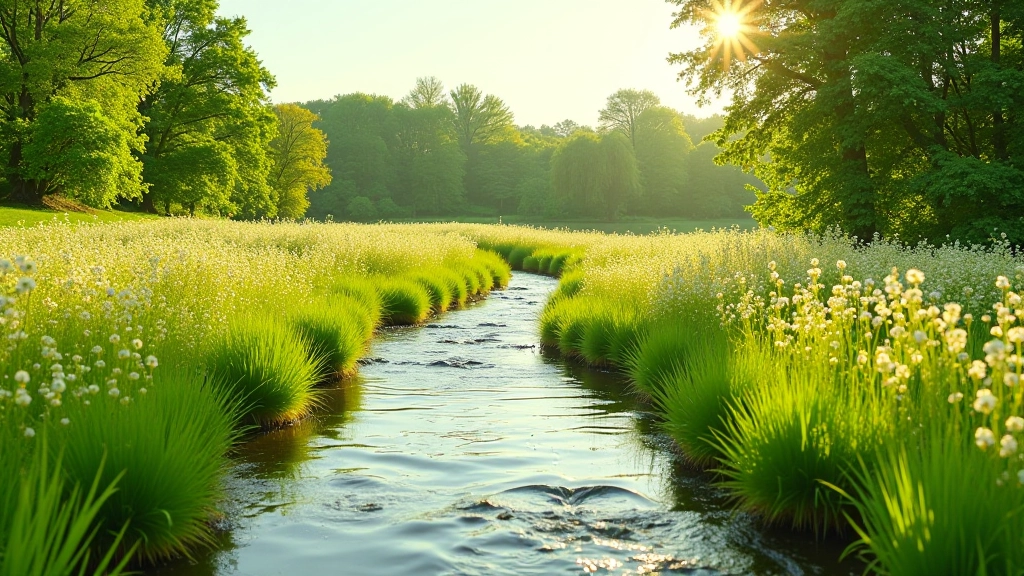
What makes this one special is a clearing about 2 kilometers in. The path opens up and you're suddenly surrounded by wildflowers and river views simultaneously. In May and June, it's carpeted with tall flowers — some reaching waist height. The river's visible from here, and on quiet mornings, you might spot waterfowl or deer at the water's edge.
Start at river access point — flat gravel for first 2 km
Gentle climb to clearing — takes about 20-25 minutes
Rest at clearing — benches positioned for river views
Return via same path — slight downhill on way back
These three routes are genuinely accessible. But there's a right way to approach them — timing matters, preparation helps, and a few practical tips make the difference between a pleasant walk and a frustrating one.
Mid-April through late May gives you the widest variety. Early April's still sparse — most flowers haven't emerged. By June, some species are past peak. Go midweek if you want fewer people. Weekends get busier, especially sunny ones.
Spring weather's unpredictable. Bring a light jacket even if it's sunny. Wind can come up suddenly in open meadows. After rain, gravel paths stay dry pretty quickly, but the earth path at Orchard Lane can get muddy — wear appropriate footwear if it's been wet.
Water's essential — at least 500ml per person. None of these routes have water fountains. A small snack helps too if you're out for 60+ minutes. Sunscreen in late May and June when days get stronger. Binoculars if you're interested in birds.
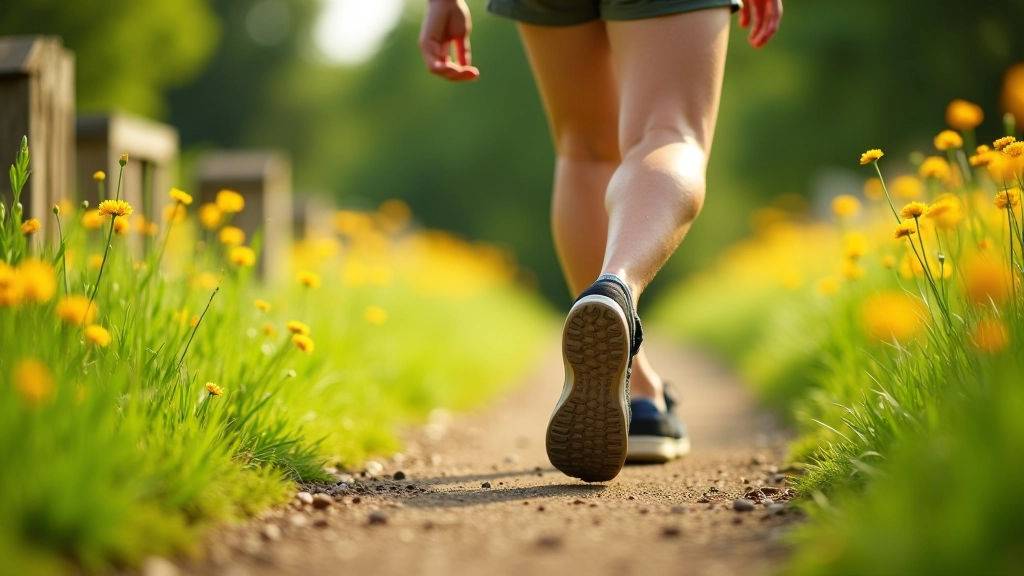
Proper walking shoes with ankle support aren't overboard. The paths are generally stable, but uneven ground happens. Avoid sandals — wildflowers and uneven terrain don't mix well with exposed feet. Waterproof options if there's been recent rain.
All three routes are well-marked. Paths are clear and it's difficult to get lost. That said, bringing a simple map or having offline maps on your phone isn't a bad idea. Tell someone where you're going, especially if you're walking alone.
Don't pick flowers — they'll spread naturally if left alone. Stay on marked paths to avoid trampling plants. Take photos instead. Leave no rubbish, and if you see litter, take it with you. These spaces are protected for a reason.
This guide's based on fieldwork completed in spring 2025 and 2026. Routes, facilities, and wildflower conditions can change seasonally and year to year. We've verified access points, path conditions, and rest spot locations as recently as June 2026. That said, weather, maintenance work, or seasonal changes might affect your experience. If you're visiting outside spring months, conditions will be different — less color, different wildflowers, possibly different accessibility. It's always worth checking with local tourism or environmental offices before heading out, especially if you're traveling from a distance. This guide isn't a substitute for common sense about weather, physical capability, or safety precautions.

These three routes aren't challenging. They're genuinely accessible. You're not pushing yourself physically — you're spending time outdoors noticing what's blooming. That's the whole point. Spring's a window. The flowers aren't there year-round, and the weather won't stay this pleasant forever. Pick a route that appeals to you, check the forecast, and go. You'll come back with stories about wildflowers, clean air, and a few hours well spent.
Start with the Meadow Path if you want straightforward and colorful. Choose Orchard Lane if you prefer shade and quiet. Go for River Bend Trail if you're up for gentle terrain change and river views. All three deliver the same thing: a chance to walk through spring and see it at its best.
Discover additional walks, picnic spots, and seasonal guides for your next outdoor adventure.
Browse All Routes