
Accessible Routes for All Abilities
Routes selected for easy terrain, rest stops, and accessibility. Everything you need to know about pacing, distance, and amenities along the way.
Walking should be enjoyable for everyone. That's why we've mapped out gentle paths across Dole Island and the river valleys where the terrain stays manageable, the views stay beautiful, and the rest stops keep you comfortable. Whether you're easing back into outdoor activity or exploring at a relaxed pace, these routes work with your body, not against it.

Understanding Terrain Difficulty
Not all walking routes are created equal. The paths we've selected here avoid steep climbs, rocky sections, and surfaces that shift beneath your feet. You won't find loose gravel or overgrown vegetation blocking the way.
Meadow Loop (2.4 km)
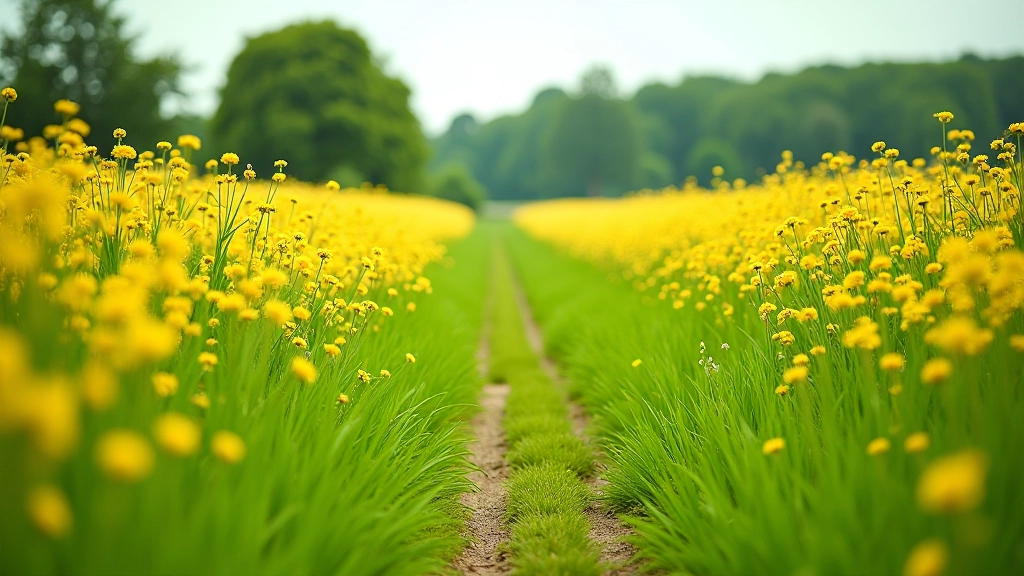
Flat gravel path around the wildflower meadows. Takes about 45 minutes at a comfortable pace. Three benches positioned at natural viewpoints.
Riverside Walk (3.1 km)
Tarmac surface alongside the river. Gently rolling, not steep. Five rest areas including a picnic spot with shelter. Takes about 60 minutes.
Orchard Lane (1.8 km)
Shaded tree-lined path, completely flat. Shortest option, perfect for testing your comfort level. Takes 35-40 minutes with pauses.

Planning Your Visit
Getting the details right makes all the difference. You don't want surprises halfway through your walk, so we've laid out what you actually need to know.
Best Times to Walk
Early morning or late afternoon works best. The temperature stays cooler and you'll encounter fewer other visitors, which means quieter paths and easier pacing. Summer months (June through August) offer the longest daylight, though the heat can build by midday. Spring and autumn are ideal — comfortable temperatures and fewer insects. Winter routes are passable but watch for ice patches near the riverside sections.
What to Bring
- Water bottle — all routes have at least two refill points
- Sun protection — hats help even on cloudy days
- Comfortable shoes with good grip — not hiking boots, just proper support
- A phone for emergencies — reception is solid on all three routes
- Light snacks if you're walking longer than 90 minutes

Pacing and Rest Stops
There's no race here. The whole point is moving at whatever speed feels right for your body.
On the Meadow Loop, you'll find benches roughly every 800 meters. That means you're never more than a 15-minute walk from a place to sit. The riverside route has more dramatic scenery, so people naturally stop longer at each rest point — there's a shelter about halfway through if weather turns. Orchard Lane has benches at the 500m and 1.2km marks, which works well if you want to break the walk into three manageable segments.
Walking speed varies hugely depending on fitness, age, and how your body's feeling that day. We've noticed most visitors take between 35 and 90 minutes for these routes, including stops. Don't worry about timing yourself. Stop when you want to. Chat with someone on a bench. Take photos. That's what these routes are for.

Accessibility Features
Wheelchair Access
The Meadow Loop and first 2km of the Riverside Walk have firm, wide surfaces suitable for wheelchairs. Orchard Lane has tree roots that can be challenging for wheeled devices.
Rest Areas
All routes have multiple benches with backs and armrests. Riverside route has a covered shelter. No route forces you to walk more than 20 minutes between rest stops.
Water Access
Refill points at the start, halfway, and end of each route. Public facilities available near the car park with accessible toilets.
Clear Signage
Each route is marked with color-coded posts every 200 meters. Distance markers show how far you've come and how much remains.
Shade Options
Orchard Lane is fully shaded. Meadow Loop has scattered tree cover. Riverside walk has sheltered rest points if sun becomes too intense.
Mobile Coverage
All three routes have reliable phone signal. Emergency contact numbers posted at trailheads. Local support services are familiar with these routes.

Important Information
The route information in this guide is current as of June 2026 and based on conditions observed during multiple site visits. Weather, seasonal changes, and maintenance work can affect terrain and accessibility. We recommend checking with local visitor centers before your visit, especially if you have specific mobility requirements or health considerations.
These routes are suitable for many abilities, but individual experience varies. If you have concerns about your fitness level or specific health conditions, consult with your doctor before undertaking any walking route. The descriptions here are educational information to help you choose appropriate paths — not medical advice or guarantees about accessibility for every individual situation.
Start Your Journey
Accessible walking isn't about settling for less. It's about choosing routes where the environment supports you instead of working against you. Dole Island and the river valleys offer genuine natural beauty without requiring you to push through pain or discomfort to experience it.
Pick whichever route calls to you. The Orchard Lane if you want something short and shaded. The Meadow Loop if wildflowers matter more than distance. The Riverside Walk if you're looking for variety and don't mind a slightly longer outing. You can't make a wrong choice — they're all designed with you in mind.
Related Routes